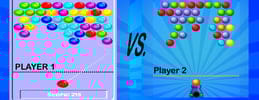

From Arcade to Online: The Evolution of Bubble Shooters
The genre sure has come a long way and, in this article, we’ll be delving into the evolution of bubble shooter games from arcade to being online casual hits.
It all started with a joystick, a screen thicker than your grandma’s spectacles, and a big ol’ button you’d bash with a fury only a sugar-fueled teenager could produce. The original bubble shooter era wasn’t sleek or quiet—it was all arcade buzz and popcorn-smelling chaos. But somehow, despite the years and the hardware changes, those bouncing balls of color survived the times. They didn’t just survive—they evolved. Like a chill dinosaur with Bluetooth. And now, here we are, playing the same addictive popping puzzle in the palm of our hands. Let’s trace the bubbly trail, shall we?
Birth of the bubble in the golden arcade age
Back in the 90s, games weren’t trying to be deep. They were trying to be fun. Puzzle Bobble (also known as Bust-a-Move) came on the scene with its chirpy dragons, bright orbs, and that satisfying pop sound that still echoes in many millennial memories. It had one goal: match three or more bubbles of the same color and clear the board. No plot twists. No character arcs. Just bubbles and your reflexes. Arcades were the first playground. The strategy was basic, the concept was easy, and the satisfaction of collapsing a wall of bubbles in one shot? Chef’s kiss.
The casual explosion of the 2000s
As the world moved to desktops and the internet found its groove, casual bubble shooter games followed suit. You didn’t need quarters anymore. Just a mouse and possibly a suspiciously long lunch break. Websites like MSN Games, Miniclip, and countless others offered endless variations. New colors. New power-ups. Some even added stories. Not that anyone read them. But still, it was something. The accessibility was the game-changer. No arcade hours. No tokens. Just you, your mouse, and the increasingly irritating sound of bubbles bouncing off the wrong wall. Who knew something this simple could eat hours of your life?
The mobile takeover—pop goes the commute
And then came smartphones. Suddenly, bubble shooters became the unsung heroes of waiting rooms, bus rides, and awkward family gatherings. Games like Bubble Witch Saga and Bubble Shooter Classic shot up the app charts, giving players levels, unlocks, leaderboards—even weird magical narratives (because of course, there had to be a magic cat involved somehow). What made them thrive? Accessibility and zero pressure. You didn’t need lightning-fast thumbs. Just aim, shoot, and hope the physics engine loved you that day. Plus, the sound of cascading bubbles is oddly therapeutic. A modern-day digital stress ball, if you will.
New spins and wild twists
Now, things have gotten... experimental. There are 3D casual bubble games. AR shooters where you literally aim in your living room. Timed challenges. Boss fights (yes, against bubbles). You name it. Developers realized this simple game mechanic could be layered with wild, exciting elements—and people would still love it. But the core never changed: aim, match, pop. And that’s the beauty of it. It doesn’t matter how many dragons, magic spells, or cosmic lasers you add—people come back for the satisfaction of that one perfect shot that clears half the screen.
Related Articles